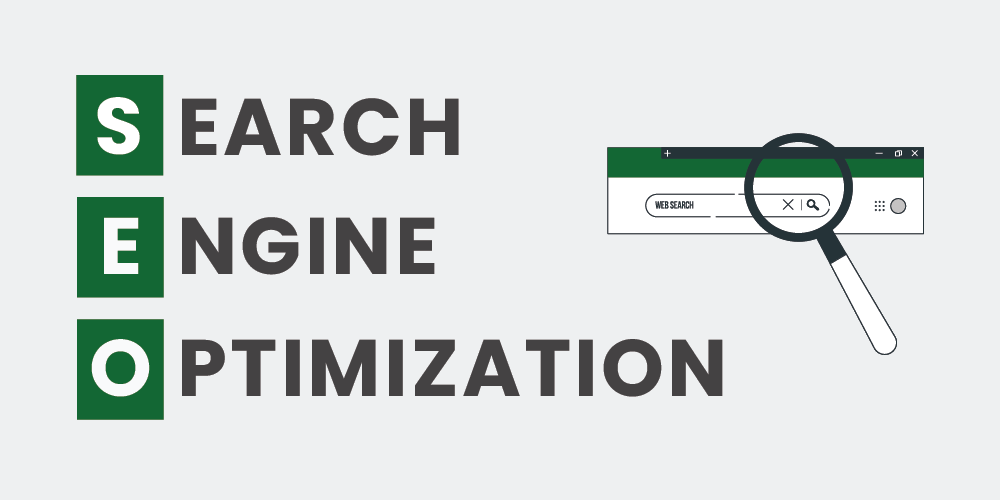
In today’s digital world, having a website is not enough. Millions of websites exist on the internet, and if your website does not appear in search engine results, people may never find it. This is where Search Engine Optimization, commonly known as SEO, becomes extremely important.
Search Engine Optimization is the process of optimizing a website so that it appears higher in search engine results pages. When users search for information, products, or services online, search engines analyze many websites and display the most relevant ones. The higher a website ranks, the more likely users are to visit it.
Search engines such as Google process billions of searches every day. Because of this massive search activity, businesses, bloggers, and developers use SEO techniques to improve their website visibility and attract organic traffic.
Understanding SEO is essential for anyone who wants to grow a website, increase online presence, or generate traffic without relying entirely on paid advertising.
Table of Contents
What is SEO?
Search Engine Optimization is the practice of improving a website’s structure, content, and performance so that search engines can easily understand and rank it. The main goal of SEO is to increase organic traffic, which means visitors who find your website through search engine results rather than paid advertisements.
Search engines use complex algorithms to determine which websites should appear first in search results. These algorithms analyze many factors, including content quality, keyword relevance, website performance, user experience, and backlinks from other websites.
When a website follows Search Engine Optimization best practices, search engines can crawl, index, and rank its pages more effectively. SEO does not produce instant results, but it is one of the most powerful long-term digital marketing strategies.
How Search Engines Work
To understand SEO, it is important to know how search engines operate. Search engines follow three main processes: crawling, indexing, and ranking.
Crawling is the process where search engine bots scan the internet to discover new and updated webpages. These bots follow links between pages to collect information about website content.
After crawling, the discovered pages are stored in a massive database through a process called indexing. During indexing, the search engine analyzes the content, keywords, images, and structure of the page.
Finally, when a user searches for a query, the search engine ranks the indexed pages according to their relevance and quality. The most relevant pages appear at the top of the search results. Search Engine Optimizationtechniques help websites perform better during these three stages.
Types ofSearch Engine Optimization
Search Engine Optimization is generally divided into three major categories: on-page SEO, off-page SEO, and technical SEO.
- On-page SEO focuses on optimizing the content and structure of a webpage. This includes using relevant keywords, writing high-quality content, optimizing headings, improving meta descriptions, and organizing the page properly.
- Off-page SEO focuses on actions taken outside the website to improve its authority and reputation. The most important factor in off-page SEO is backlinks, which are links from other websites pointing to your site.
- Technical SEO focuses on the technical aspects of a website that affect search engine performance. This includes website speed, mobile optimization, site structure, secure connections, and crawlability.
All three types of SEO work together to improve a website’s search ranking.
Why SEO is Important
- SEO is important because it helps websites gain visibility and attract targeted traffic from search engines.
- One major advantage of SEO is organic traffic. Unlike paid advertisements, organic traffic does not require continuous spending. Once a page ranks well, it can continue to attract visitors over time.
- SEO also improves user experience. Optimized websites are usually faster, easier to navigate, and more informative for visitors.
- Another benefit is increased credibility. Users tend to trust websites that appear at the top of search results because search engines rank them based on relevance and authority.
- Businesses use SEO to increase brand awareness, generate leads, and grow their online presence.
Important SEO Factors
Search engines consider many factors when ranking websites.
- High-quality content is one of the most important factors. Content should be informative, relevant, and helpful for users.
- Keywords are another essential component of Search Engine Optimization. Keywords represent the words and phrases that users type into search engines.
- Backlinks also play a major role in ranking. When reputable websites link to your content, search engines consider it a sign of credibility.
- Website speed and mobile friendliness are also important because modern users expect fast-loading and responsive websites.
- SEO tools such as Google Search Console help website owners monitor search performance, identify indexing issues, and improve optimization strategies.
Common SEO Mistakes
Many beginners make mistakes that prevent their websites from ranking well.
- One common mistake is keyword stuffing, which means overusing keywords in content. Search engines penalize websites that use unnatural keyword repetition.
- Another mistake is publishing low-quality or duplicate content. Search engines prefer original and valuable content that provides useful information to users.
- Ignoring technical issues such as slow page speed or broken links can also negatively affect Search Engine Optimization performance.
- Regular website audits and continuous content improvement help avoid these mistakes.
The Future of SEO
SEO is constantly evolving as search engines improve their algorithms. Artificial intelligence and machine learning are playing an increasing role in how search engines understand user intent and evaluate content quality.
Search engines are focusing more on user experience, helpful content, and website credibility. Voice search, mobile optimization, and structured data are also becoming more important in modern SEO strategies.
As the digital landscape continues to grow, SEO will remain a key strategy for businesses and content creators who want to succeed online.
Conclusion
Search Engine Optimization is one of the most important strategies for improving website visibility and attracting organic traffic. By optimizing website content, structure, and performance, businesses and developers can help search engines understand and rank their pages more effectively.
SEO involves a combination of on-page optimization, off-page authority building, and technical improvements. Although it requires time and consistent effort, SEO provides long-term benefits that can significantly increase online presence and website traffic.
Also Check Database Normalization – Comprehensive Guide – 2026







1 thought on “What is Search Engine Optimization – Powerful Guide 2026”