Introduction
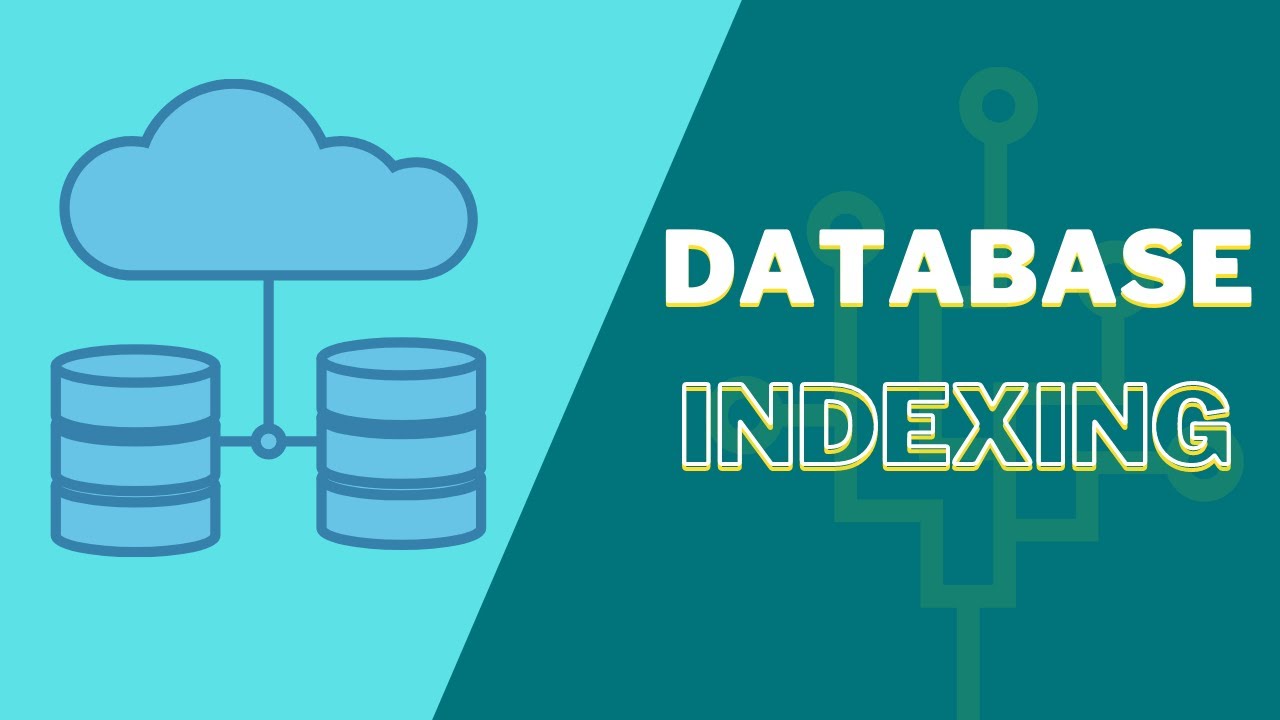
As applications grow and handle more users, the amount of data stored in databases increases rapidly. When a database contains thousands or even millions of records, retrieving specific data can become slow if the system has to scan every row in a table. This is where database indexing becomes extremely important.
Database indexing is a technique used to improve the speed of data retrieval operations. By creating indexes, databases can locate information much faster without scanning the entire table. For developers and database administrators, understanding indexing is essential for building high-performance applications.
Modern database systems such as MySQL and PostgreSQL rely heavily on indexing to optimize queries and ensure fast data access.
Table of Contents
What is a Database Index?
A database index is a data structure that improves the speed of searching and retrieving records from a table. It works similarly to an index in a book.
When you look for a specific topic in a book, you don’t read every page from beginning to end. Instead, you check the index at the back of the book to quickly find the page number where the topic appears.
In the same way, a database index allows the system to quickly locate rows in a table without scanning the entire dataset.
For example, imagine a user table containing millions of records. If an application searches for a specific email address, the database would normally have to check every row. With an index on the email column, the database can directly jump to the correct record.
How Indexing Works
Indexes store a sorted reference of specific columns in a table along with pointers to the actual rows of data. When a query searches for a value in an indexed column, the database engine uses the index structure to quickly locate the corresponding rows.
Most database indexes use advanced data structures such as B-trees to maintain efficient searching and sorting operations.
Instead of performing a full table scan, the database engine uses the index to narrow down the search area significantly. This reduces the number of rows the system must inspect and greatly improves performance.
Why Database Indexing is Important
Indexing plays a crucial role in database performance, especially for large datasets.
One major benefit is faster query execution. When indexes are properly implemented, queries that search, filter, or sort data can run significantly faster.
Another benefit is improved application performance. Many web and mobile applications rely on fast database responses to provide smooth user experiences.
Indexes also help optimize complex queries that involve filtering, joining tables, or ordering results.
However, while indexes improve read performance, they can also increase the time required for data insertions and updates because the index must be updated whenever the data changes.
Types of Database Indexes
Different types of indexes are used depending on the database design and query requirements.
Primary Index
A primary index is automatically created when a primary key is defined for a table. It ensures that each record has a unique identifier and allows fast access to rows based on the primary key.
For example, a user table might use a user_id column as the primary key. The database automatically creates an index for this column.
Unique Index
A unique index ensures that all values in a column are distinct. It prevents duplicate entries while also improving query performance.
This type of index is commonly used for fields like email addresses or usernames.
Composite Index
A composite index includes multiple columns in a single index. This is useful when queries frequently filter data based on multiple fields.
For example, if a query frequently searches using both first_name and last_name, a composite index on those two columns can improve performance.
Full-Text Index
A full-text index is designed for searching text content within large text fields. It allows efficient searching of words and phrases in documents or articles.
This type of indexing is commonly used in search systems and content management platforms.
When to Use Database Indexing
Indexes should be used on columns that are frequently used in search queries, filtering conditions, or sorting operations.
For example, indexing columns such as user IDs, email addresses, and order IDs can significantly improve performance in large systems.
Columns used in JOIN operations between tables should also be indexed because these operations are common in relational database queries.
However, not every column should be indexed. Excessive indexing can consume additional storage space and slow down data insertion operations.
Indexing in NoSQL Databases
Indexing is not limited to relational databases. Many NoSQL databases also support indexing to improve query performance.
For example, MongoDB allows developers to create indexes on document fields to speed up queries. These indexes help efficiently locate documents within large collections.
Even though NoSQL databases use different storage models, indexing remains a fundamental optimization technique.
Best Practices for Database Indexing
Developers should follow several best practices when implementing database indexes.
First, identify slow queries using database performance monitoring tools. This helps determine which columns would benefit most from indexing.
Second, avoid indexing columns that change frequently because frequent updates can slow down database performance.
Third, use composite indexes carefully. They should match the structure of commonly used queries to provide maximum benefit.
Finally, periodically review and optimize indexes as applications grow and query patterns change.
Common Database Indexing Mistakes
One common mistake is creating too many indexes. While indexes improve read performance, too many of them can slow down write operations and increase storage usage.
Another mistake is indexing columns that are rarely used in queries. This wastes resources without providing meaningful performance improvements.
Some developers also create indexes without analyzing actual query patterns, which can result in inefficient database design.
Understanding how queries interact with the database is essential for effective indexing.
Conclusion
Database indexing is one of the most powerful techniques for improving query performance in modern applications. By creating indexes on frequently searched columns, databases can locate records quickly without scanning entire tables.
Indexing significantly improves application responsiveness and helps systems handle large datasets efficiently. However, indexes must be used carefully to balance performance and resource usage.
Also Check SQL vs NoSQL Databases – Differences, and Advantages – 2026








1 thought on “Database Indexing – Powerful Guide for Students – 2026”