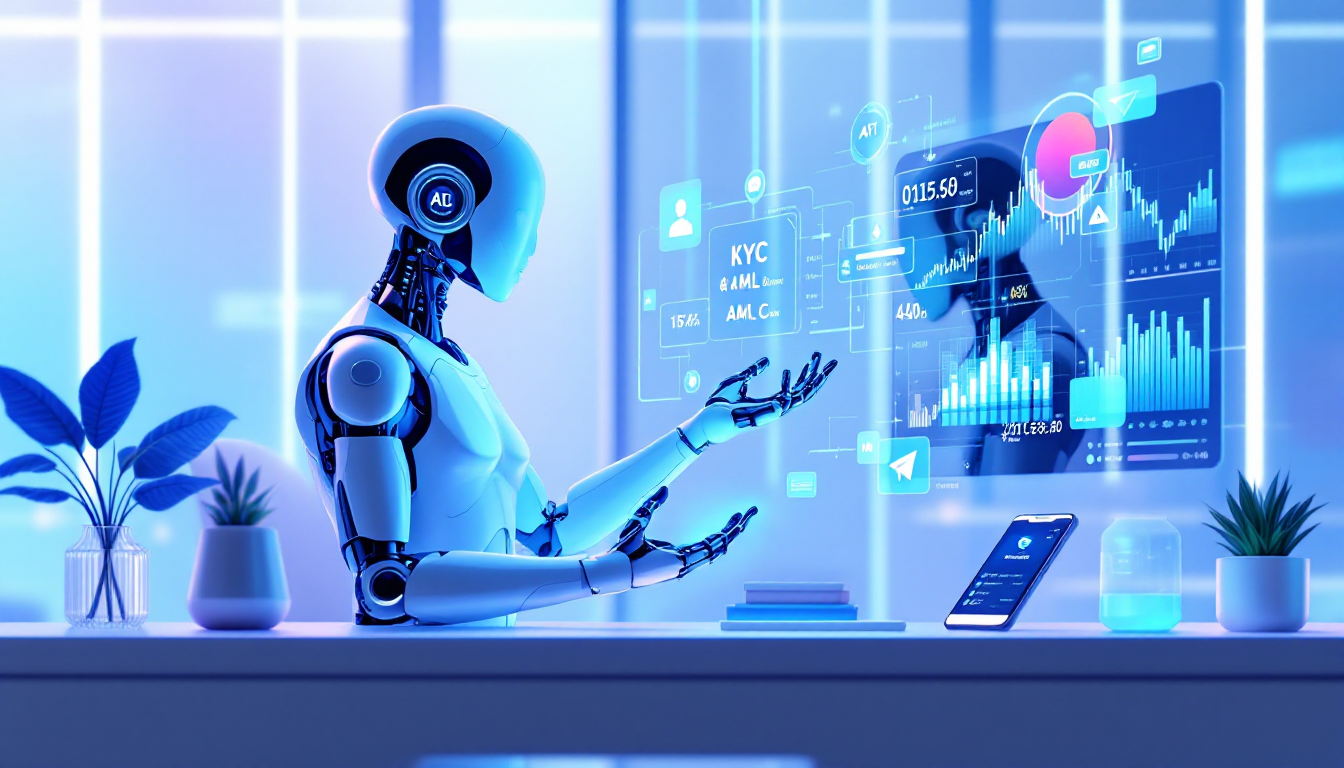
Artificial Intelligence is evolving rapidly, and one of the most exciting advancements is the emergence of AI agents. Unlike traditional automation scripts or simple chatbots, AI agents are intelligent systems capable of performing complex tasks autonomously, making decisions, interacting with tools, and collaborating with humans.
In software development, AI agents are beginning to transform workflows by assisting developers in coding, debugging, testing, and even managing infrastructure. According to research published by Stanford University’s Human-Centered AI Institute, AI-powered agents are expected to become critical tools in modern engineering teams as software complexity continues to grow.
In this article, we explore what AI agents are, how they work in software development, their benefits, challenges, and what the future holds for this emerging technology.
Table of Contents
What Are AI Agents?
AI agents are autonomous systems that can perceive their environment, process information, and take actions to achieve specific goals. Unlike traditional automation tools that follow predefined instructions, AI agents can learn, adapt, and make decisions based on context.
AI agents typically combine several technologies, including:
- Machine learning
- Natural language processing
- Decision-making algorithms
- Tool integration systems
These systems can interact with APIs, databases, development environments, and cloud platforms to complete tasks automatically.
The concept of intelligent agents is well documented in research published by the MIT Artificial Intelligence Laboratory, which highlights their role in building adaptive and intelligent systems.
How AI Agents Work in Software Development
AI agents integrate directly into development workflows, assisting engineers throughout the software lifecycle.
Code Generation and Assistance
AI agents can generate code snippets, create functions, and suggest optimized implementations. Tools like GitHub Copilot demonstrate how AI can assist developers in writing code faster and more efficiently.
AI agents can also refactor code, recommend design patterns, and translate code between programming languages.
Automated Debugging
Debugging is one of the most time-consuming tasks in software development. AI agents can analyze error logs, identify the root cause of issues, and recommend solutions automatically.
By analyzing patterns in previous errors and bug fixes, AI agents can significantly reduce debugging time.
Intelligent Testing
Testing frameworks are becoming smarter with AI integration. AI agents can automatically generate test cases, identify edge cases, and monitor code coverage.
Tools like Selenium are increasingly enhanced with AI-based testing features that make automated testing more reliable.
DevOps Automation
AI agents can also assist in DevOps operations. They can monitor infrastructure performance, detect anomalies, and optimize deployment pipelines.
Platforms like Kubernetes and cloud services such as Amazon Web Services are increasingly integrating AI-driven automation capabilities to manage complex infrastructure.
Benefits of AI Agents in Software Development
The adoption of AI agents provides several advantages for development teams and organizations.
Increased Developer Productivity
AI agents automate repetitive tasks such as writing boilerplate code, generating documentation, and creating tests. This allows developers to focus on complex problem-solving and architecture design.
Faster Development Cycles
By automating coding assistance, debugging, and testing, AI agents significantly reduce the time required to build and deploy software.
Improved Code Quality
AI systems can detect vulnerabilities, enforce coding standards, and suggest improvements based on best practices.
Security platforms such as OWASP emphasize the importance of automated tools to detect vulnerabilities early in the development process.
Enhanced Collaboration
AI agents can document code changes, summarize pull requests, and assist teams in understanding complex codebases, improving collaboration across distributed development teams.
Real-World Applications of AI Agents
AI agents are already being used in various areas of software engineering.
Smart Development Environments
Modern IDEs are integrating AI agents that help developers write and understand code. These agents analyze project structure and provide contextual recommendations.
Autonomous DevOps Systems
Some companies are experimenting with self-healing systems where AI agents automatically detect failures and initiate corrective actions.
AI-Powered Documentation
AI agents can generate documentation automatically by analyzing source code, making projects easier to maintain and understand.
Software Maintenance
Legacy systems often require constant maintenance. AI agents can analyze large codebases and suggest modernization strategies or identify outdated dependencies.
Challenges of AI Agents in Development
Despite their benefits, AI agents still face several challenges.
Accuracy and Reliability
AI-generated code may contain errors or inefficient implementations. Developers must carefully review and validate AI suggestions before deployment.
Security Risks
Improperly generated code can introduce vulnerabilities if developers rely on AI suggestions without verification.
Organizations should follow secure coding practices recommended by the OWASP Foundation to mitigate such risks.
Ethical and Legal Concerns
AI-generated code raises questions about copyright, licensing, and intellectual property ownership.
Dependence on AI Systems
Over-reliance on AI tools may reduce developers’ deep understanding of programming concepts, which could create long-term skill gaps.
The Future of AI Agents in Software Engineering
The role of AI agents in software development is expected to grow significantly in the coming years. Future AI agents may be capable of:
- Designing entire software architectures
- Managing project workflows autonomously
- Performing automated code reviews
- Detecting and fixing security vulnerabilities in real time
- Managing cloud infrastructure without human intervention
Researchers believe that AI agents will become collaborative partners rather than replacements for developers.
Conclusion
AI agents represent the next major step in the evolution of software development. By combining machine learning, automation, and intelligent decision-making, these systems can assist developers in writing better code, improving productivity, and accelerating development cycles.
While challenges related to accuracy, security, and ethics remain, the potential benefits are enormous. Developers who learn to collaborate with AI agents will gain a significant advantage in the future technology landscape.
Also Check Link Building Strategies – Powerful Backlinks Guide – 2026






1 thought on “AI Agents in Software Development – Powerful Automation 2026”