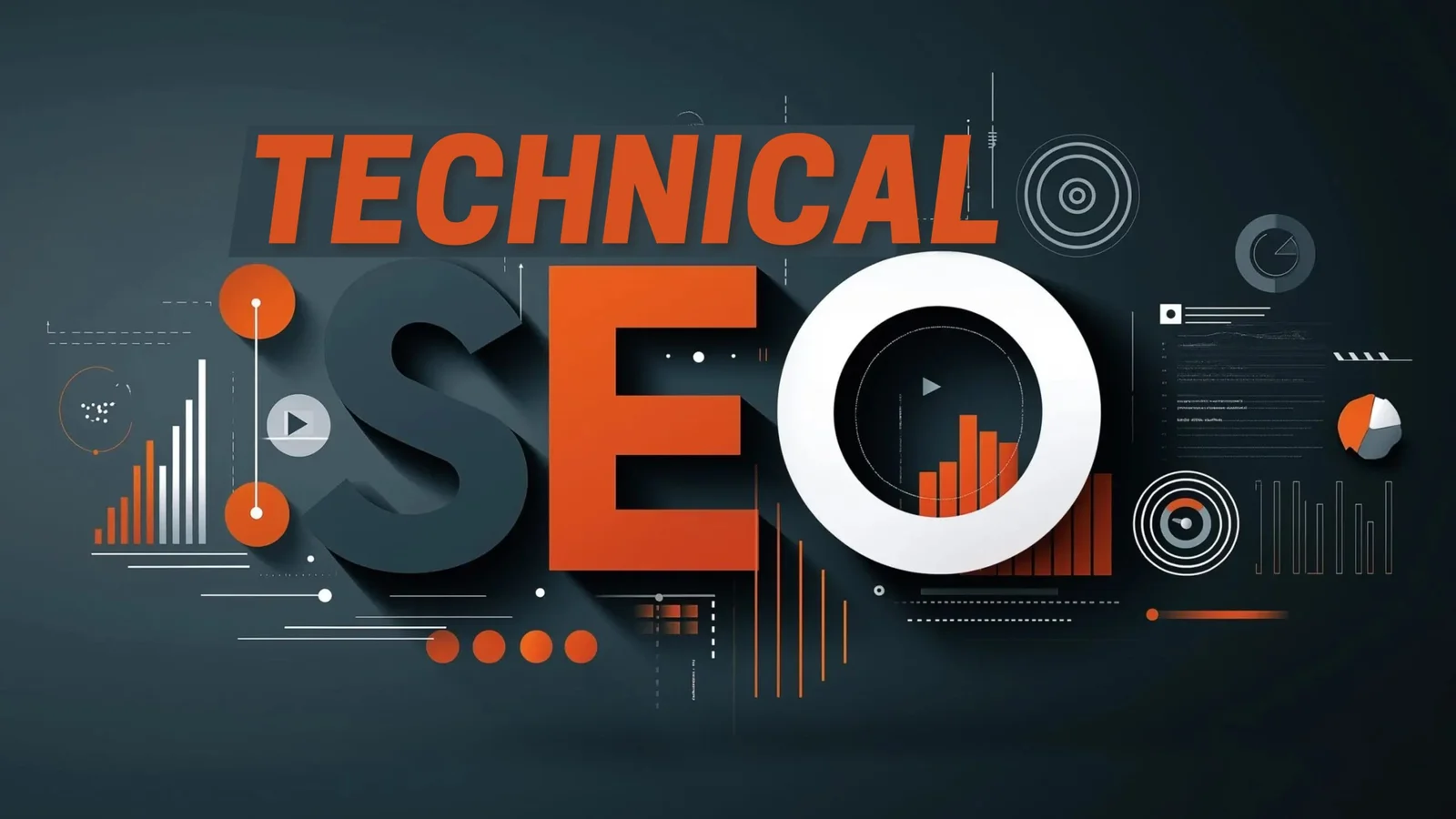
In the world of digital marketing, creating high-quality content is only half the battle. If search engines cannot properly access or understand your website, your pages may never appear at the top of search results. This is where Technical SEO comes into play.
Technical SEO refers to the optimization of a website’s infrastructure so that search engines can crawl, index, and rank its pages more effectively. Unlike on-page SEO, which focuses on content, technical SEO ensures that your website is fast, secure, mobile-friendly, and structured in a way that search engines can easily understand.
Search engines like Google and Bing use advanced algorithms to evaluate both the content and technical health of websites. Websites that perform well technically often rank higher and provide a better user experience.
Table of Contents
What is Technical SEO?
Technical SEO involves optimizing the backend structure of a website to improve visibility and search engine rankings. It includes aspects such as website speed, secure connections, structured data, mobile responsiveness, crawlability, and site architecture.
A website with strong technical SEO allows search engines to efficiently discover new pages, index content correctly, and understand the relevance of each page to specific search queries.
While content and backlinks are important for SEO, technical issues can prevent a website from ranking even if the content is excellent. Therefore, technical SEO is a crucial foundation for any successful digital marketing strategy.
Importance of Website Speed
Page speed is a critical factor for both search engines and users. Slow-loading websites increase bounce rates because visitors are likely to leave before the page fully loads.
Search engines also consider page speed when ranking websites. Optimizing website speed involves several techniques:
- Compressing images without losing quality.
- Minimizing CSS, JavaScript, and HTML files.
- Using caching to reduce server load.
- Implementing content delivery networks (CDNs) to serve content faster.
Fast websites provide better user experiences and are rewarded by search engines with higher rankings.
Mobile Optimization
With the majority of users accessing the internet via smartphones, mobile optimization is no longer optional. Mobile-friendly websites adjust their layout, font sizes, and navigation to fit smaller screens, ensuring a seamless experience.
Search engines prioritize mobile-first indexing, which means they primarily use the mobile version of a website for ranking and indexing.
Responsive design, proper viewport settings, and fast-loading mobile pages are essential components of technical SEO.
Secure Websites (HTTPS)
Website security is another critical aspect of technical SEO. Secure websites use HTTPS, which encrypts data between the server and users’ browsers.
Search engines like Google consider HTTPS as a ranking signal, giving secure websites a slight boost in search results.
Additionally, secure websites build trust with users, especially for e-commerce platforms and websites handling sensitive information.
Crawlability and Indexing
For search engines to rank your pages, they must first crawl and index them. Crawlability refers to how easily search engine bots can navigate your website and discover content.
Several factors affect crawlability:
- Robots.txt files control which pages search engines can access.
- XML sitemaps provide a roadmap of your website’s structure.
- Proper URL structures and internal linking make navigation easier.
Ensuring that important pages are indexed while blocking irrelevant or duplicate content helps improve search engine performance.
Structured Data and Schema Markup
Structured data, also known as schema markup, is a way to provide additional information about your website to search engines. It helps search engines understand the meaning and context of your content.
For example, structured data can indicate:
- Business information (address, phone number).
- Product details (price, availability).
- Articles (author, publication date).
- Reviews and ratings.
Adding structured data can improve search results with rich snippets, making your listings more attractive and increasing click-through rates.
Canonical Tags and Duplicate Content
Duplicate content can negatively impact SEO by confusing search engines about which page to rank. Technical SEO uses canonical tags to indicate the preferred version of a webpage.
By setting canonical URLs, website owners ensure that search engines consolidate ranking signals and avoid penalties for duplicate content.
Website Architecture and URL Structure
A well-organized website structure improves both user experience and SEO. Logical navigation, clear categories, and consistent URL structures make it easier for search engines to index pages.
For example, a simple hierarchy like:
example.com/blog/seo-tips
is more understandable than a long, complex URL with unnecessary parameters.
Common Technical SEO Mistakes
Many websites fail to rank well due to technical issues. Common mistakes include:
- Slow page speed due to unoptimized images or code.
- Mobile-unfriendly design causing poor user experience.
- Missing or incorrect robots.txt and sitemap files.
- Broken links and 404 errors.
- Lack of HTTPS and secure connections.
Regular technical audits using tools like Google Search Console, Screaming Frog SEO Spider, or GTmetrix help identify and fix these issues.
Conclusion
Technical SEO is a critical part of any successful website optimization strategy. By focusing on speed, mobile responsiveness, security, crawlability, structured data, and proper site architecture, websites can improve both user experience and search engine rankings.
Unlike on-page and off-page SEO, technical SEO ensures that the foundation of your website is strong. Without a technically sound website, even the best content and backlinks may fail to achieve high rankings.
For developers, digital marketers, and business owners, mastering technical SEO is essential for building websites that are fast, secure, user-friendly, and search-engine-ready. By addressing technical issues proactively, you can ensure your website performs optimally and attracts consistent organic traffic.
Also Check On-Page SEO Explained – Powerful Techniques – 2026






1 thought on “Technical SEO Guide – Powerful SEO Type – 2026”