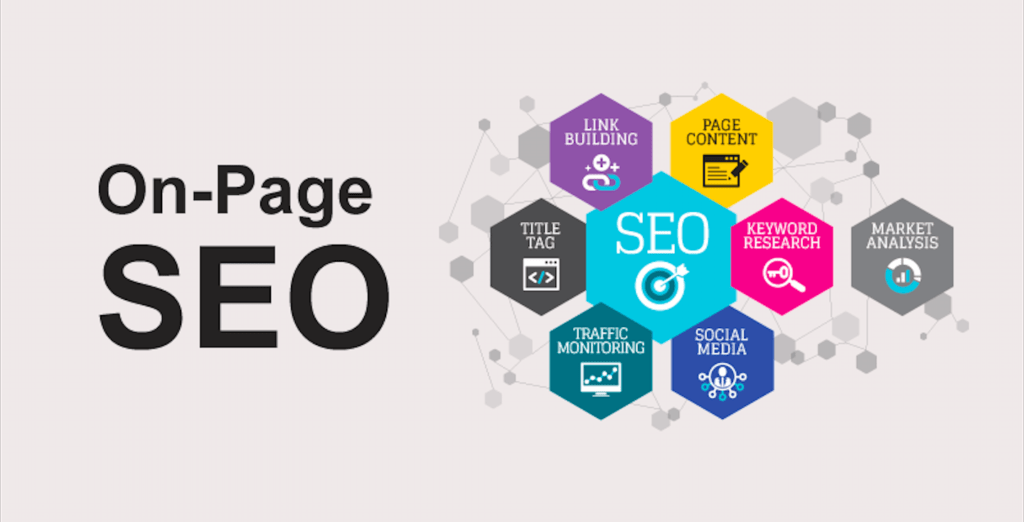
Search Engine Optimization is one of the most important strategies for improving a website’s visibility on the internet. Among the different types of SEO, On-Page SEO plays a critical role because it focuses on optimizing the content and structure of individual webpages. When a page is properly optimized, search engines can easily understand its topic and rank it higher in search results.
On-Page SEO refers to all the optimization techniques that are applied directly within a webpage. These include optimizing titles, headings, keywords, images, content quality, and internal links. When these elements are properly organized, they help search engines determine the relevance of a page for specific search queries.
Search engines such as Google use complex algorithms to analyze webpages. These algorithms evaluate various on-page factors to decide which pages deserve higher rankings. Therefore, understanding and implementing On-Page SEO techniques is essential for bloggers, developers, and digital marketers who want their content to reach a larger audience.
Table of Contents
What is On-Page SEO?
On-Page SEO is the practice of optimizing different elements within a webpage so that it becomes more understandable and valuable for both search engines and users. Unlike off-page SEO, which focuses on external signals such as backlinks, On-Page SEO focuses entirely on improving the webpage itself.
The primary goal of On-Page SEO is to ensure that a page clearly communicates its topic, relevance, and usefulness. When search engines crawl a page, they examine its content, keywords, headings, images, and HTML structure to determine its quality and relevance.
If these elements are well optimized, the page has a better chance of ranking higher in search results.
Importance of High-Quality Content
Content is the foundation of On-Page SEO. Search engines prioritize websites that provide valuable and informative content to users. When writing content, it is important to focus on clarity, usefulness, and originality.
High-quality content should answer user questions, provide detailed explanations, and include relevant keywords naturally. Search engines prefer content that demonstrates expertise and authority on a topic.
Another important aspect is readability. Content should be organized with proper paragraphs, headings, and simple language so that users can easily understand the information. Regularly updating content also helps maintain its relevance and improves SEO performance over time.
Title Tags and Meta Descriptions
Title tags and meta descriptions are essential components of On-Page SEO because they provide search engines with important information about a webpage.
The title tag is the clickable headline that appears in search engine results. It should clearly describe the content of the page and include the main keyword. A strong title tag not only improves ranking but also increases the chances that users will click on the result.
Meta descriptions provide a short summary of the webpage. Although they do not directly affect rankings, they influence user behavior by encouraging people to click on the link. Properly written title tags and meta descriptions help search engines and users understand the purpose of a webpage.
Proper Use of Headings
Headings help organize content and make it easier for both users and search engines to understand the structure of a webpage. The most important heading is the H1 tag, which usually represents the main title of the page.
Subheadings such as H2 and H3 tags divide the content into smaller sections and improve readability. These headings also provide additional context for search engines when analyzing the page. Using keywords naturally in headings can further improve SEO because it signals the relevance of the content to specific search queries.
Keyword Optimization
Keywords are the words or phrases that users type into search engines when searching for information. Effective keyword optimization ensures that the content of a webpage matches what users are searching for.
Keywords should be included in important areas such as the title tag, headings, URL, and main content. However, it is important to use keywords naturally rather than forcing them repeatedly into the text.
Overusing keywords, known as keyword stuffing, can negatively affect search rankings because search engines consider it a spammy practice. Using related keywords and variations also helps search engines better understand the context of the content.
Image Optimization
Images play an important role in improving user experience and making content more engaging. However, they should also be optimized for search engines.
Image optimization includes using descriptive file names, adding alt text, and compressing images to reduce file size. Alt text helps search engines understand what the image represents and also improves accessibility for users with visual impairments.
Optimized images also help improve website loading speed, which is an important factor for SEO.
Internal Linking
Internal linking refers to linking one page of a website to another page within the same website. This practice helps search engines discover and crawl additional pages.
Internal links also guide users to related content, which improves navigation and keeps visitors engaged for longer periods.
A well-structured internal linking strategy helps distribute authority across pages and improves the overall SEO performance of a website.
Page Speed and Mobile Optimization
Modern users expect websites to load quickly and function properly on mobile devices. Slow-loading pages can lead to high bounce rates, which negatively affects search rankings.
Improving page speed involves optimizing images, reducing unnecessary code, and using efficient hosting services.
Mobile optimization is equally important because a large percentage of users access websites through smartphones and tablets. Tools such as Google PageSpeed Insights help website owners analyze loading speed and identify performance improvements.
Common On-Page SEO Mistakes
Many website owners make mistakes that limit their SEO potential. One common mistake is publishing content without proper keyword research.
Another mistake is ignoring meta tags and headings, which are essential for helping search engines understand the structure of a page.
Duplicate content is also a major issue because search engines prefer original content that provides unique value to users. Regularly reviewing and updating webpages can help avoid these mistakes and maintain strong SEO performance.
Conclusion
On-Page SEO is one of the most important components of a successful search optimization strategy. By improving content quality, optimizing keywords, organizing headings, and enhancing website performance, webpages can achieve better visibility in search engine results.
Effective On-Page SEO not only helps search engines understand a webpage but also improves the experience for visitors. When users find valuable, well-structured content, they are more likely to stay on the website and explore additional pages.
Also Check What is Search Engine Optimization – Powerful Guide 2026



1 thought on “On-Page SEO Explained – Powerful Techniques – 2026”